
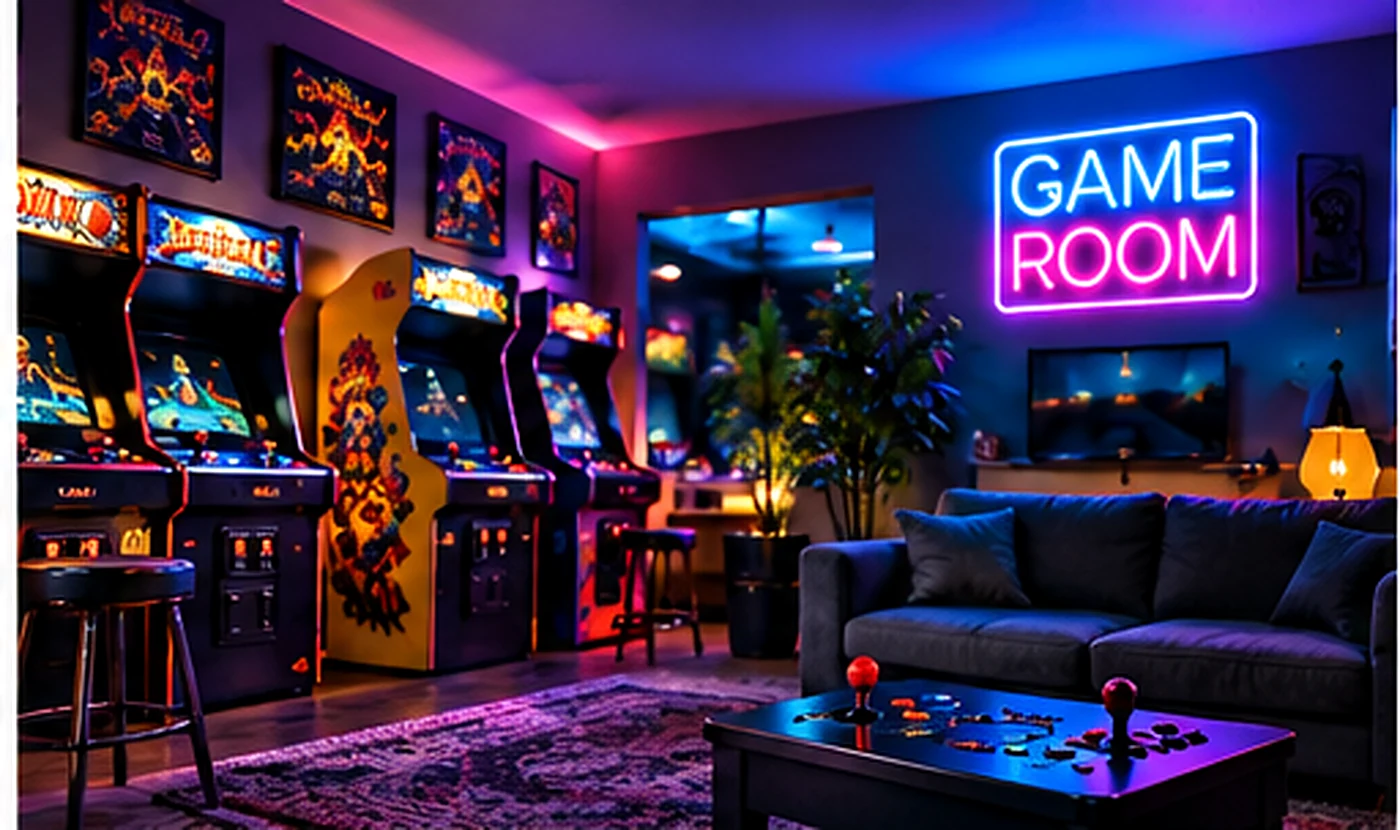
A good home arcade is a room system, not a pile of cabinets. Space, electrical service, delivery routes, heat, seating, support and household preferences determine whether a machine remains enjoyable after the novelty wears off.
1. Measure first
Treat measure first as a practical design constraint for the exact room and machine, not a generic recommendation. Measure or test it, record the result and let that evidence guide the purchase or build.
2. Use multifunction controls
Test every direction and button in the games that matter, not just in a menu. Check mounting, microswitches, restrictor gates, encoder inputs and player-two controls, and verify that specialty controls such as trackballs or spinners map correctly before calling the panel finished.
3. Consider seated play
Make consider seated play part of the project checklist. A few minutes of measurement and testing here can prevent the most common outcome in home arcades: a machine that technically works but never quite fits the room or the games you wanted.
4. Plan storage
Work through plan storage with the real cabinet, controls and room in mind. Confirm the physical fit and support requirements before buying accessories or committing to a layout that becomes expensive to undo.
5. Avoid blocking routes
Plan pickup and final placement together. Know what can safely be removed for transport, where the center of gravity sits and whether a hand truck can actually make every turn from the vehicle to the room.
Browse relevant machines and equipment
Match listings to exact dimensions, controls, compatibility and support requirements.
As an eBay Partner, I may be compensated if you make a purchase.
View eBay listingsRelated resources
Affiliate disclosure: qualifying purchases through some merchant links may generate a commission. Recommendations remain editorially independent.
Ready to start browsing?
See current Home Arcade Ideas For Small Spaces listings on eBay →